

Tenon Search recently sponsored an event that brought together AI leaders from an impressive array of backgrounds, from huge multinational conglomerates through to PE and VC backed high growth environments, and the wider public sector. The focus of much of the event was on AI adoption, next generation AI tools and the ongoing impact of AI on the labour market. The prevailing view appears to be that there is huge scope for the technology to drive productivity improvements, much of which will impact junior and mid-level employees. What is much less discussed is the impact of AI on individuals in senior leadership roles. How plausible is it that C-suite or Executive Committee members could be entirely replaced by AI agents? More so than one might think.

In a study conducted at the Technical University of Darmstadt, published in January this year (2025), the authors compared “the effectiveness and acceptance of AI-generated leadership decisions with those of human leaders”. They presented participants with different leadership scenarios where decisions had been made by an AI or a human leader, and didn’t disclose the source of the decision. The results indicated that the participants couldn’t distinguish between AI or human leadership decisions and “rated AI-generated leadership decisions as more practical and helpful than those made by human leaders. They also showed a higher willingness to collaborate with an AI leader than with a human leader.”
The authors also noticed that initially participants showed a “preference for leadership tasks performed by genAI over those performed by humans”, especially when the sources of leadership decisions were not revealed. However, a clear shift occurred when the identity of the leaders of the task was revealed, with preferences subsequently tending towards human leaders. Given how quickly data can be assimilated, analysed, and acted on by AI, and the rate at which the access to the tools is improving, a future where employees at all levels rely on newly-developed approaches like Knowledge-Augmented Generation (KAG) isn’t so hard to imagine.
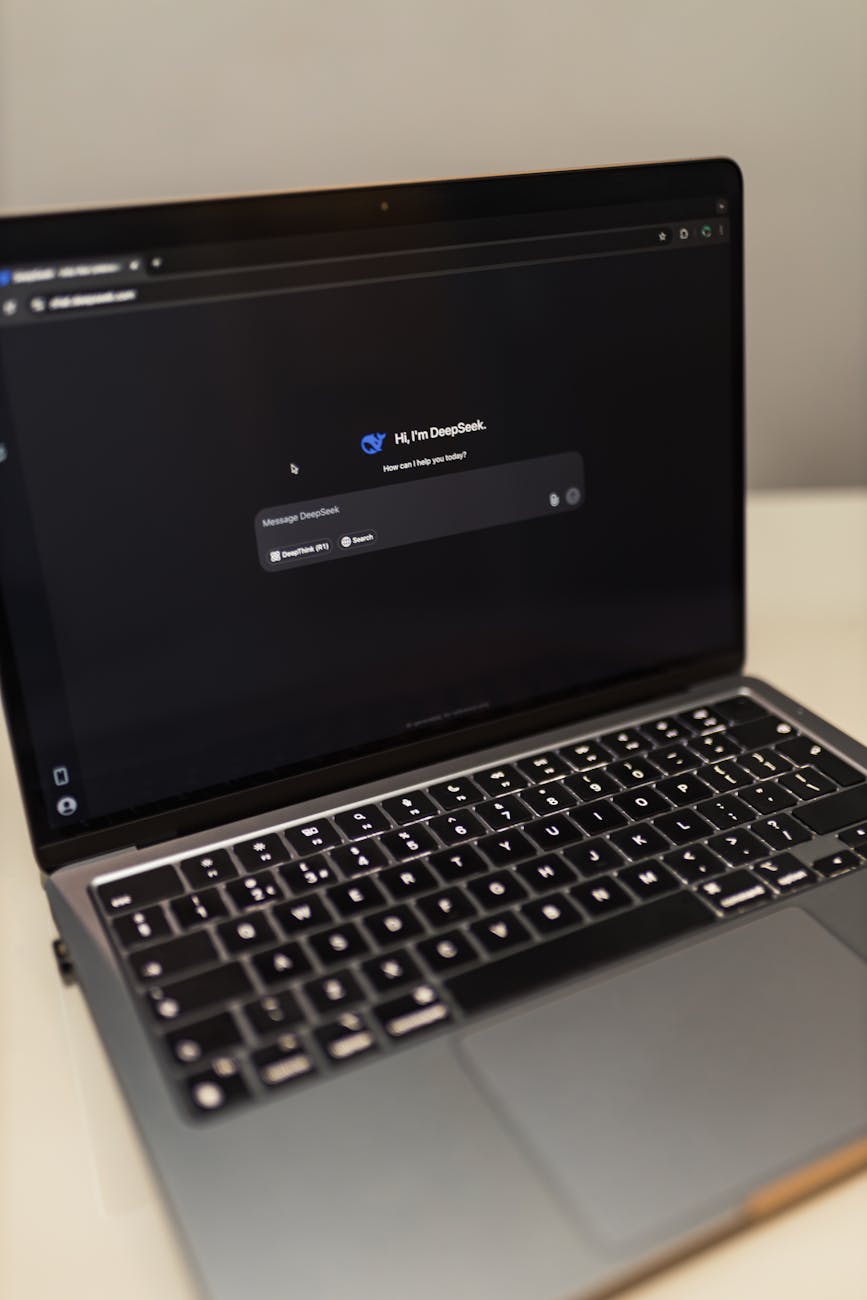
In a survey produced by McKinsey earlier this year 94% of employees and 99% of C-suite leaders reported having “some level of familiarity with gen AI tools”. Our experience of leaders engaging with AI tools is anecdotal, but it is clear that leaders who are already using ChatGPT/DeepSeek/Gemini/Grok and experimenting with LLMs are realising the benefits. In smaller organisations where resources are limited, AI can act as a lightweight replacement to marketing, executive support, data analysis, contract review, document drafting and many other areas, fulfilling elements of a range of different roles. In larger organisations the business benefit is harder to quantify initially, but if a leader is able to save their time plus that of their team, it’s an easy decision to make.
There is a healthy level of scepticism though, and in much the same way that it’s necessary to check sources when reviewing search results, there will need to be transparency behind the reasoning and the data used in AI decision making. Reliance and blind trust without some way to understand and assess will undoubtedly lead to problems in the future.
If you would like to discuss any of these areas in greater detail, please get in touch. At Tenon we are also navigating the rapidly changing AI landscape and can help find the right talent or connect you with technology, data and AI leaders who can make a difference.
 Tenon
Tenon 
Leave a comment